LED & Illuminated Signs Sydney
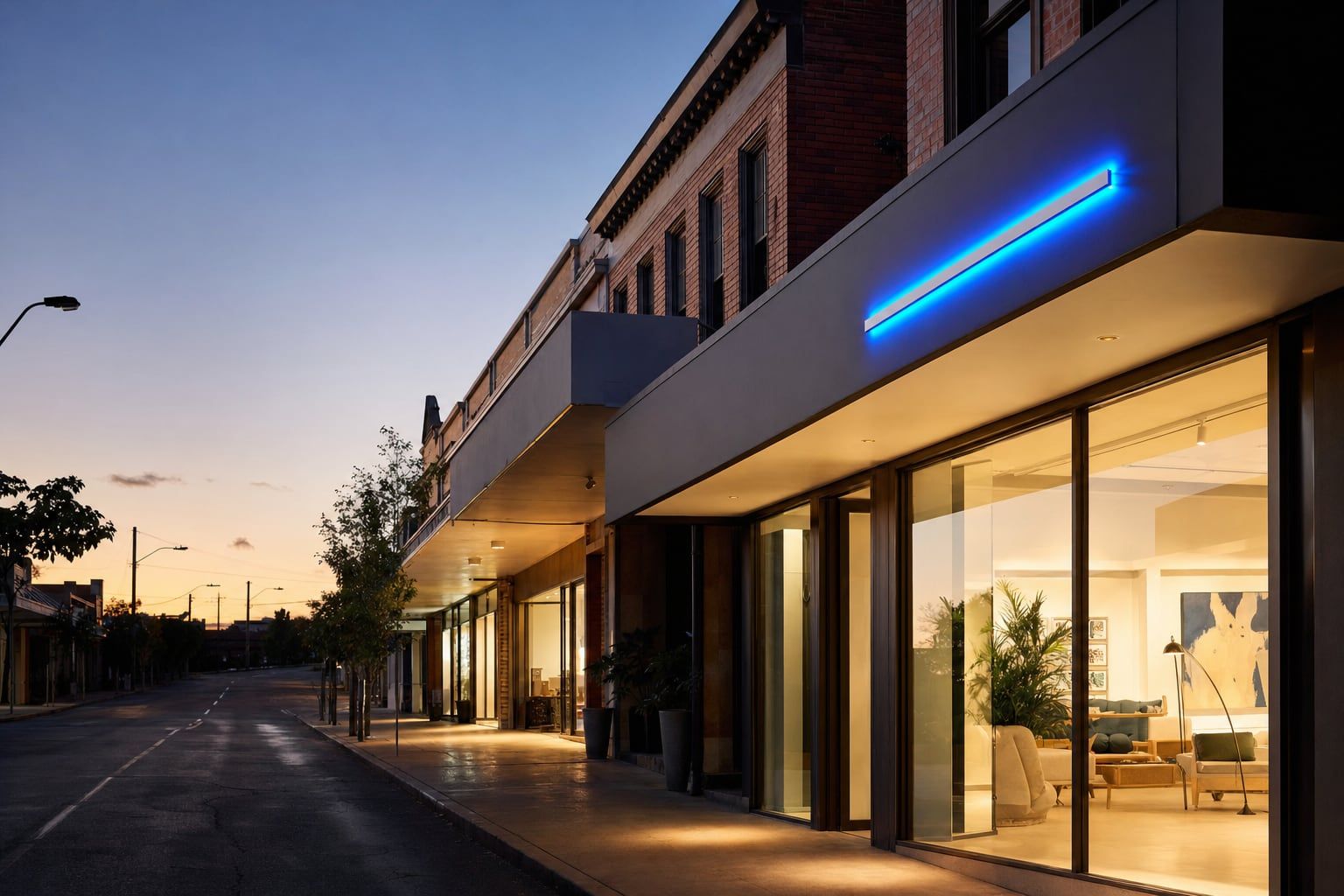
Lightboxes, face-lit and halo-lit letters and LED signs that read at night, connected by a licensed electrician and set to your trading hours.
A sign that’s only visible in daylight is only working half the time. In winter, Sydney is dark by about 5.30 pm, and plenty of businesses do their best trade after that. LED signs and illuminated signs keep your name readable from the road at night, and they look sharper than unlit signs in the day as well.
We design, make and install lightboxes and illuminated lettering across Sydney, and every one is connected by a licensed electrician.
Types of illuminated sign
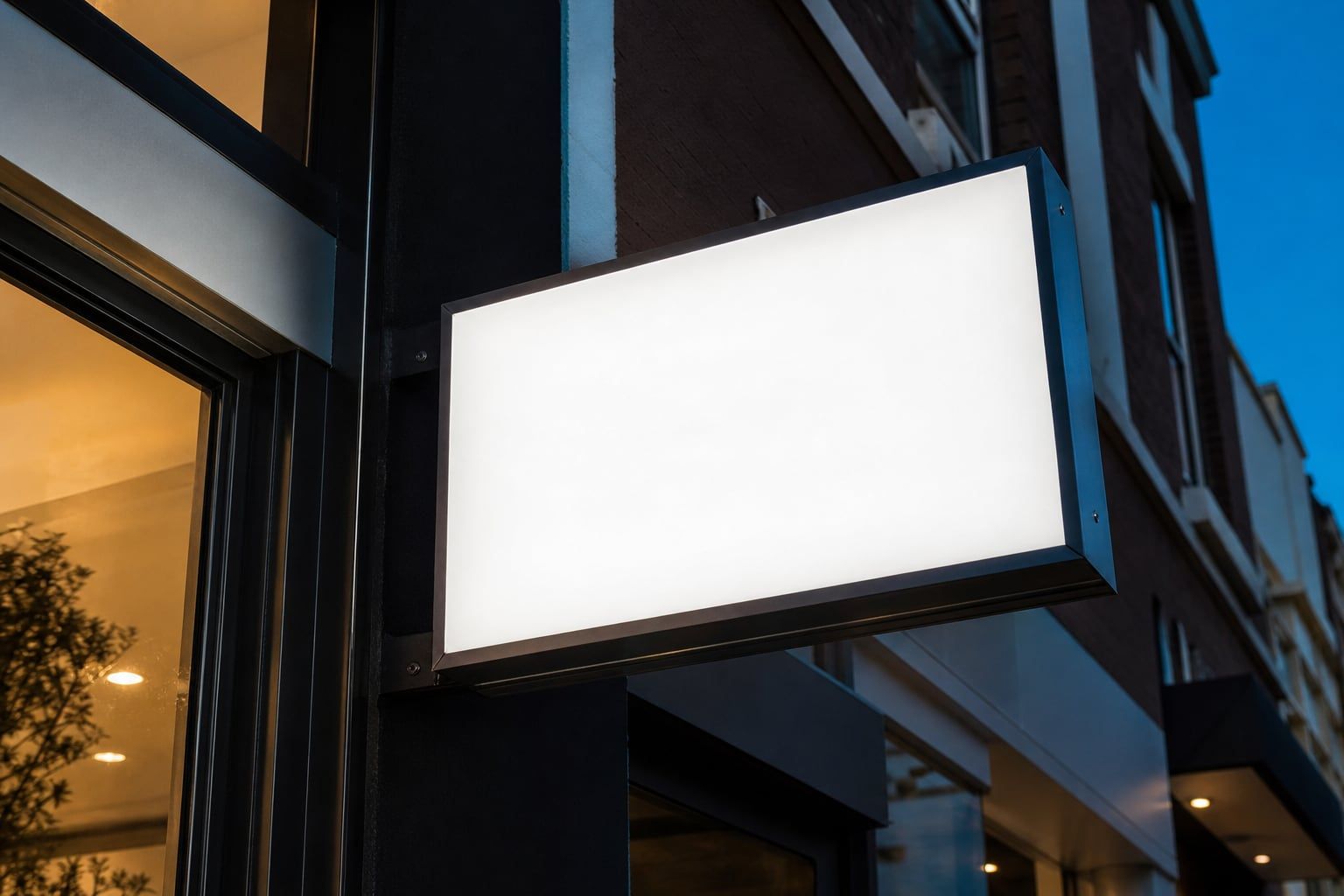
Lightbox signs. An aluminium box with LED modules inside and a translucent face. Single or double-sided, wall-mounted or projecting. They’re the workhorse for shopping strips, takeaways, pharmacies and service stations because they’re bright, simple and the face can be swapped when your branding changes.
Face-lit 3D letters. Each letter is its own box with a translucent acrylic face that lights up. They read clearly from a long way off, which suits main roads and building tops.
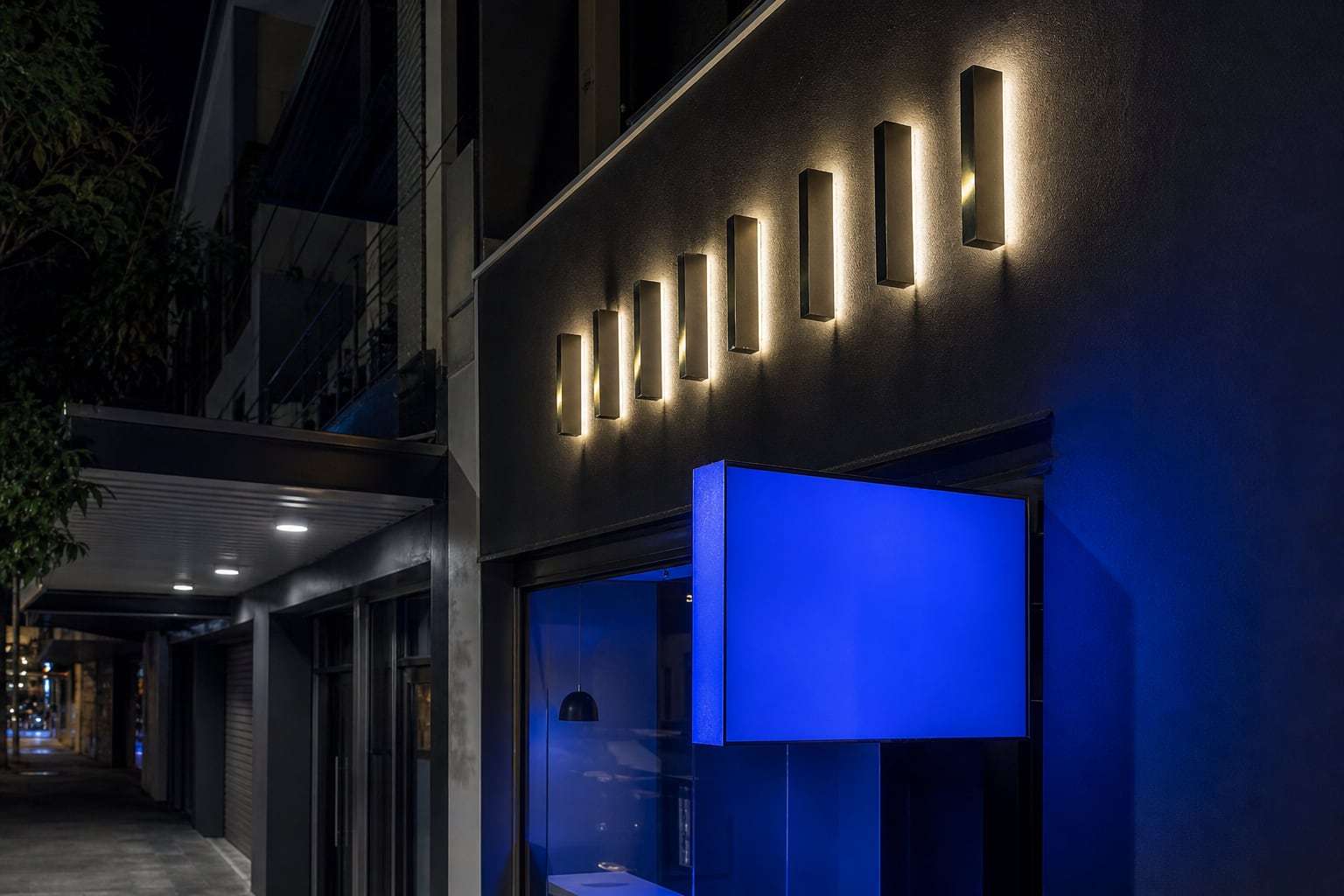
Halo-lit letters. Solid metal letters stood off the wall, with LEDs shining backwards to throw a glow around each letter. Popular for clinics, hotels, law firms and premium retail because they look refined rather than loud.
Edge-lit acrylic. Light runs through the edge of a clear or frosted panel. Mostly used inside, for reception signs and displays. Our acrylic signs page covers non-lit versions.
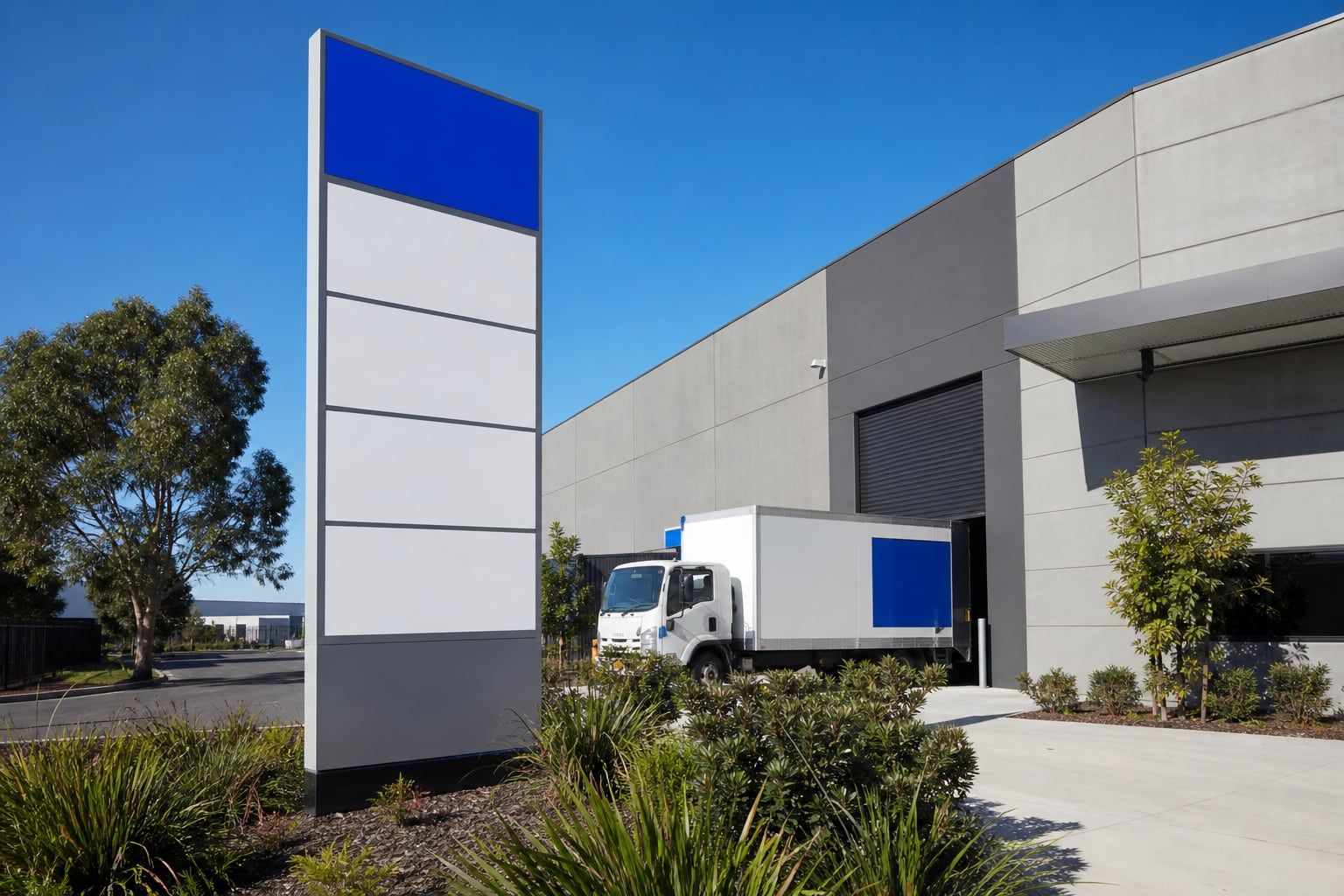
Pylon and building signs. Large illuminated panels on freestanding structures. See pylon signs.
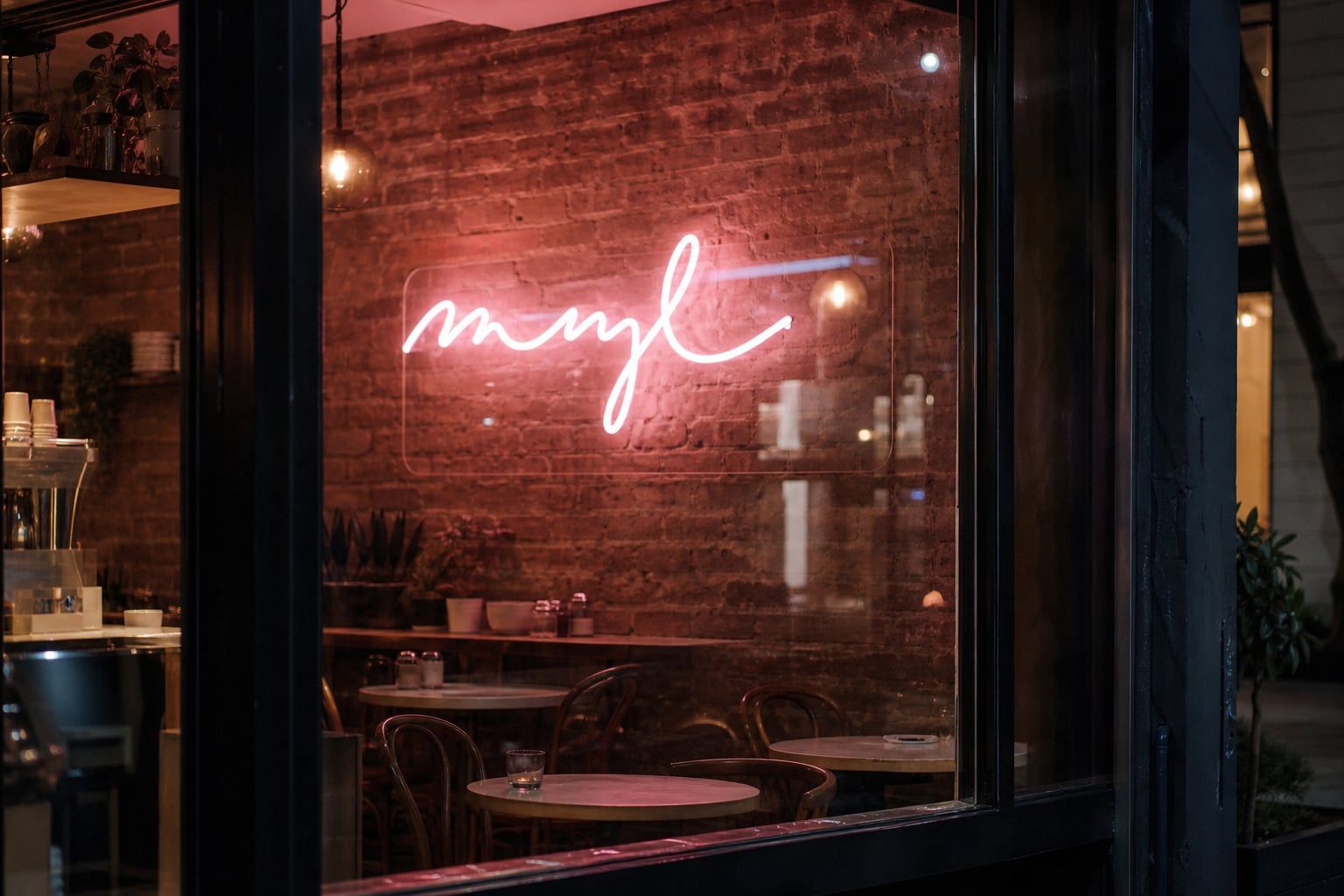
For a softer, decorative glow inside the window, LED neon signs are a different product again.
Why LED
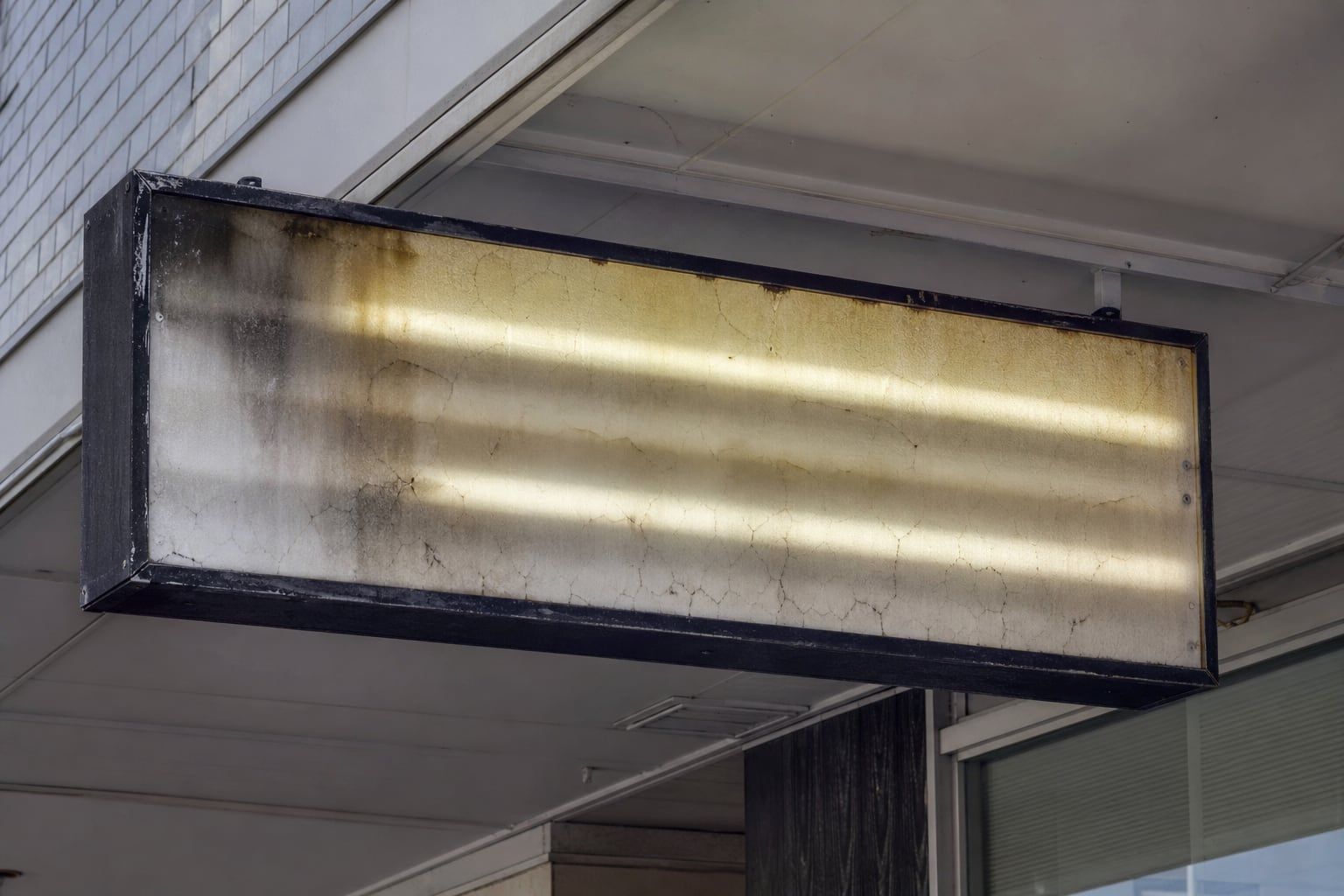
Older lightboxes used fluorescent tubes, which flicker, yellow the face and need replacing often. LED modules use a fraction of the power, run cooler and spread light evenly across the face when the box depth is designed for it. A shallow box with too few modules gives you hot spots and a striped look, which is the most common fault we see in cheap imported lightboxes.
Planning the power
Every illuminated sign needs a power supply at or near the sign position. On many shopfronts there’s no outlet anywhere near the fascia, so cabling has to come from the tenancy’s switchboard. We check this at the site visit, because it affects both the price and where the sign can go. In NSW, connecting the sign to mains power is electrical work that must be done by a licensed electrician, and our quote includes it.
We fit a timer or daylight sensor so the sign switches on at dusk and off when you close, or at a set hour if your consent conditions limit night-time lighting.
Approvals for lit signs
Illumination is one of the things that commonly takes a sign outside exempt development in NSW. Councils look harder at brightness, hours of operation and light spill onto nearby homes, especially in mixed streets in the Inner West, the Eastern Suburbs and on the North Shore. A sign inside a shopping centre or an industrial estate is usually more straightforward. Read our signage council approval guide for more detail.
Maintenance
LED signs need very little attention, but a few things keep them working. Keep the face clean, because dust and grime dim the light coming through. Make sure the drainage holes in a lightbox stay clear, so water doesn’t pool inside after storms. If one section goes dark, it’s usually a single module or the power supply, both of which can be replaced. A sign that flickers at night often has a failing driver, and the sooner it’s replaced the less chance it takes other parts with it.
Upgrades and repairs
Already have a lightbox that’s flickering, half dark or yellowed? It can usually be retrofitted with LEDs and a new face without replacing the whole box, which is much cheaper than starting again. Our sign installation crew also handles repairs and removals.
Pairing a lit sign with new shop signs and window graphics? We’ll design them together so the frontage reads as one piece.
Updated
What good led & illuminated signs looks like
LED & Illuminated Signs across Sydney
LED & Illuminated Signs in Sydney: step by step
- Site visitWe check the wall, the fixing points, where power can reach the sign and how far away it needs to be read.
- Lighting designWe recommend face-lit, halo-lit or a lightbox, and show you a night-time mock-up as well as the daytime proof.
- ApprovalsIlluminated signs often need council consent. We confirm what's required and prepare the drawings.
- Install and connectThe sign goes up, a licensed electrician connects it, and we set the timer or daylight sensor.
LED & Illuminated Signs guides for Sydney homeowners
Related services
LED & Illuminated Signs questions in Sydney
Something else on your mind? Call 0451 784 402 and ask.
How long do LED signs last?
The LEDs themselves are rated for many years of use. The power supply usually fails first, and it's designed to be replaceable without taking the sign down.
Do illuminated signs need council approval?
Often, yes. Illumination is one of the things that commonly takes a sign outside exempt development in NSW, especially near homes. We check for your site.
Can the sign turn off automatically?
Yes. We fit a timer, a daylight sensor or both, so it comes on at dusk and switches off when you close or at a set time.
Can you convert my existing lightbox to LED?
Usually, yes. Old fluorescent tubes can be replaced with LED modules inside the same box, which cuts power use and stops the flickering. A new face can go in at the same time.